Need septic tank pumping in Andover?
Have a septic or sewer problem? Tell us what you see and we will connect you with an independent provider in the Andover area. Send a request or ask a question at contact@politiciansrescue.lat.
No obligation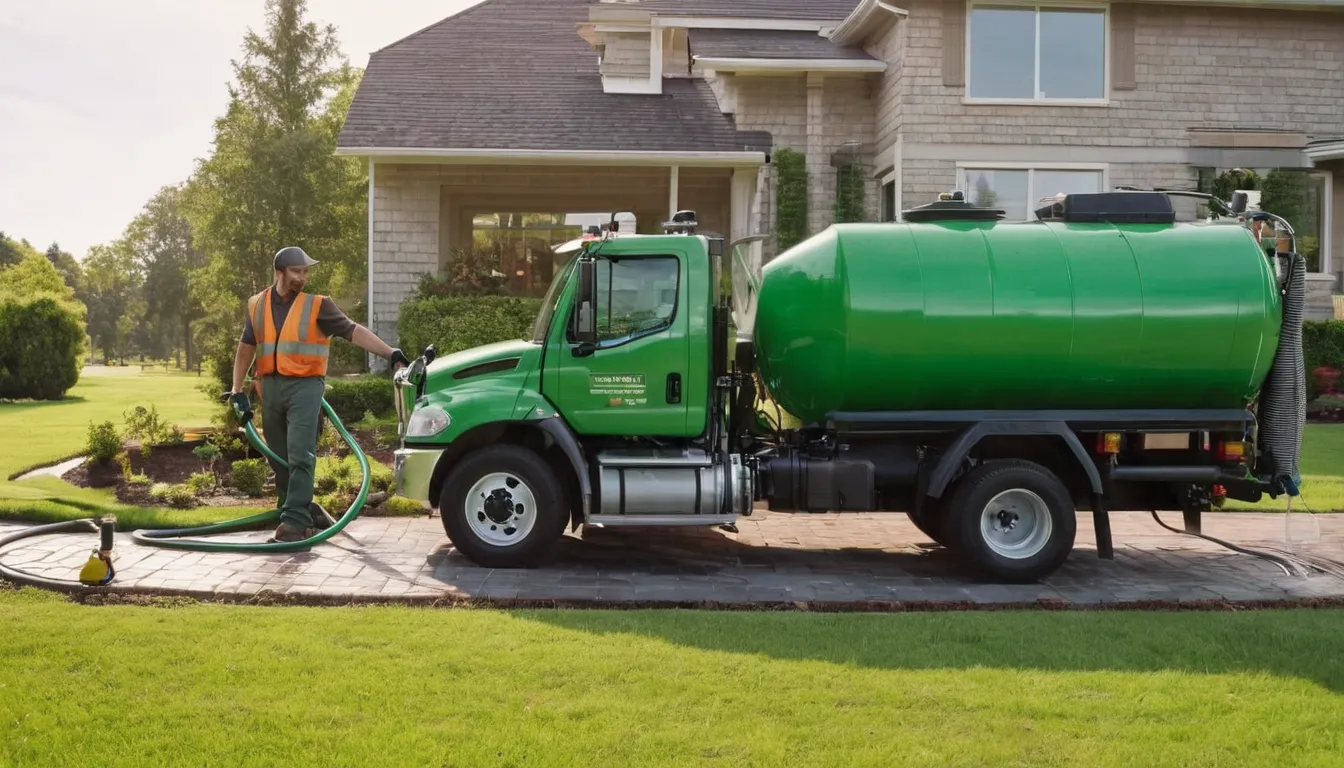
Is your tank full, or just overdue? Slow drains, gurgling pipes and soggy ground over the yard are common signs. Septic tank pumping removes the sludge and scum that build up inside, so wastewater can keep flowing the way it should. Without it, solids can slip out to the drainfield and cause much bigger trouble.
Politiciansrescue Septic is a referral service. We do not pump tanks ourselves. We connect homeowners in Andover and the Andover area with independent providers in our network who do. You can talk through the first steps, ask about timing around frost, flooding or summer heat, and request an estimate with no obligation.
Breathe, then act. A full tank usually gives hints before it gives trouble. Look for slow drains, gurgling pipes, a sour smell outside, or wet, extra-green grass over the tank.
Here is a calm first-hour plan:
Then Request a callback to check provider availability, or send a request through the form.
Sometimes, yes. If sewage is backing up into a toilet, tub or basement drain, treat it as urgent. Stop using water and keep everyone out of the wet area. Then ask a provider about emergency septic cleaning.
Many providers can respond quickly, but availability varies by day, weather and season. Skip chemical drain products and additives. They rarely fix a full tank, and they can irritate skin and eyes.
Think of the tank as a settling basin. Heavy solids sink and form sludge. Grease and light material float and form scum. The liquid in the middle flows out to the drainfield.
When the sludge and scum layers grow too thick, solids can travel with that liquid. They clog the soil and slow everything down. Fixing a clogged drainfield can mean major drainfield repair work, so pumping on schedule is the cheaper road.
Most households land somewhere around every three to five years. Your number depends on a few things:
A bigger family with a small tank may need pumping sooner. A couple with a large tank may stretch longer. A provider can check sludge depth and tell you what fits your home.
Cold winters bring deep frost. Snow can bury the lid, and hard ground makes digging slow. Ready before thaw is a good motto: find and mark your lid in fall, and book pumping before the ground locks up.
Spring flooding is another factor. Saturated soil can strain the drainfield, and an emptied tank in very wet ground can shift. A provider may suggest waiting for the ground to dry. Hot, humid summers bring guests, extra laundry and storm outages, so a tank that was fine in March can fill fast.
What will the provider actually do? Usually this:
Most visits are fairly short for a standard tank. Dense or neglected tanks take longer.
Often it is a smart pairing. With the tank empty, a provider can see cracks, worn baffles and signs of backflow that are hidden when it is full. Ask for notes in writing. They can also help you track what you find over time, which is handy for records and future repairs.
Lenders and buyers often ask for proof that the tank was pumped and checked. If you are selling, get a recent pumping record ready. If you are buying, ask for past service papers and consider an inspection before closing. Rules differ by area, so ask your agent what applies.
If your home uses well water, mention it. Septic systems and wells share the same land, and flooding can affect both. After a flood, a provider may suggest water well service or testing. Ask them to point you to the right independent professional.
Small habits protect your tank:
A few questions make the visit smoother:
Ready to compare options? Request an estimate and a local provider can walk you through the next move.
If you would rather talk it through, Request a callback to check provider availability in your area.
A vacuum truck pulls out settled solids, scum and liquid so the tank has room to work again.
The provider looks at baffles, filters and lids while the tank is open and empty.
Many providers can note what they found, tank condition and when to schedule the next visit.
Ask about emergency septic cleaning if sewage is backing up. Many providers can respond quickly, depending on availability.
Prices vary by tank size, access, location and season. These are typical U.S. ranges only. Ask any provider for a written quote that lists what is included before work begins.
| Item | Typical range | Notes |
|---|---|---|
| Standard pumping (up to 1,000 gal) | $250 – $450 | Common for smaller homes with easy lid access |
| Larger tank (1,500+ gal) | $400 – $700 | More volume takes more time |
| Digging to find the lid | $75 – $300 | Needed if the lid is buried |
| Riser or lid install | $200 – $600 | Makes future service quicker |
| Inspection with pumping | $100 – $350 | Often added while the tank is empty |
| Urgent or after-hours visit | $400 – $900 | Varies by provider and conditions |
Hold laundry, dishes and long showers. Less water going down means less pressure on a full tank.
Write down slow drains, smells, wet ground and the last pumping date.
Request a callback to check provider availability, or send the request form to get matched.
Ask for a written quote, confirm what it covers, and agree on timing that suits the weather.
Pumping keeps solids from reaching the soil, which helps you avoid clogs and much larger repair bills later.
A tank with room to spare is less likely to push waste into drains or basements.
Routine pumping usually costs far less than repairing or replacing a damaged system.
Service records show buyers and lenders that the system has been looked after.
Have a septic or sewer problem? Tell us what you see and we will connect you with an independent provider in the Andover area. Send a request or ask a question at contact@politiciansrescue.lat.
No obligationHave a septic or sewer problem? Tell us what you see and we will connect you with an independent provider in the Andover area. Send a request or ask a question at contact@politiciansrescue.lat.
No obligation